

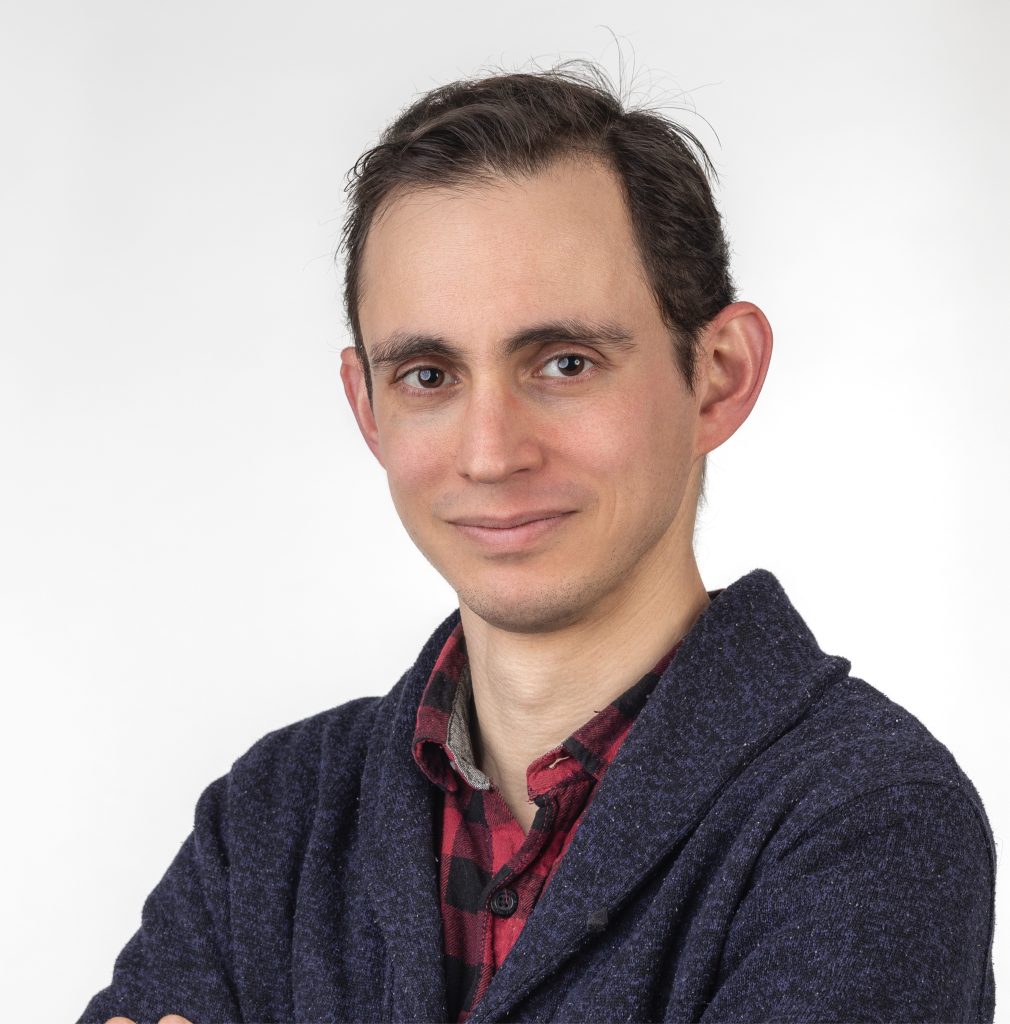
Dr. Jonathan Cannon is a computational neuroscientist, mathematician, and experimental psychologist. His graduate work at Boston University involved building and studying mathematical models of oscillations in neural circuits and their roles in the generation of stereotyped motor processes like birdsong and in routing communication within the brain. He did postdoctoral research at Brandeis modeling neuronal homeostasis, and at MIT conducting behavioral and electrophysiological experiments exploring predictive cognitive processes in autism. His current research interests are focused on timing and rhythm in perception and action, with particular interest in timing-related neural dynamics in the basal ganglia, cerebellum, and supplementary motor area. This interest is rooted in his experience as a performing musician: outside of his academic and teaching career, he has spent much of his time playing traditional Jewish, Celtic, and Romanian music on violin and guitar. [CV]
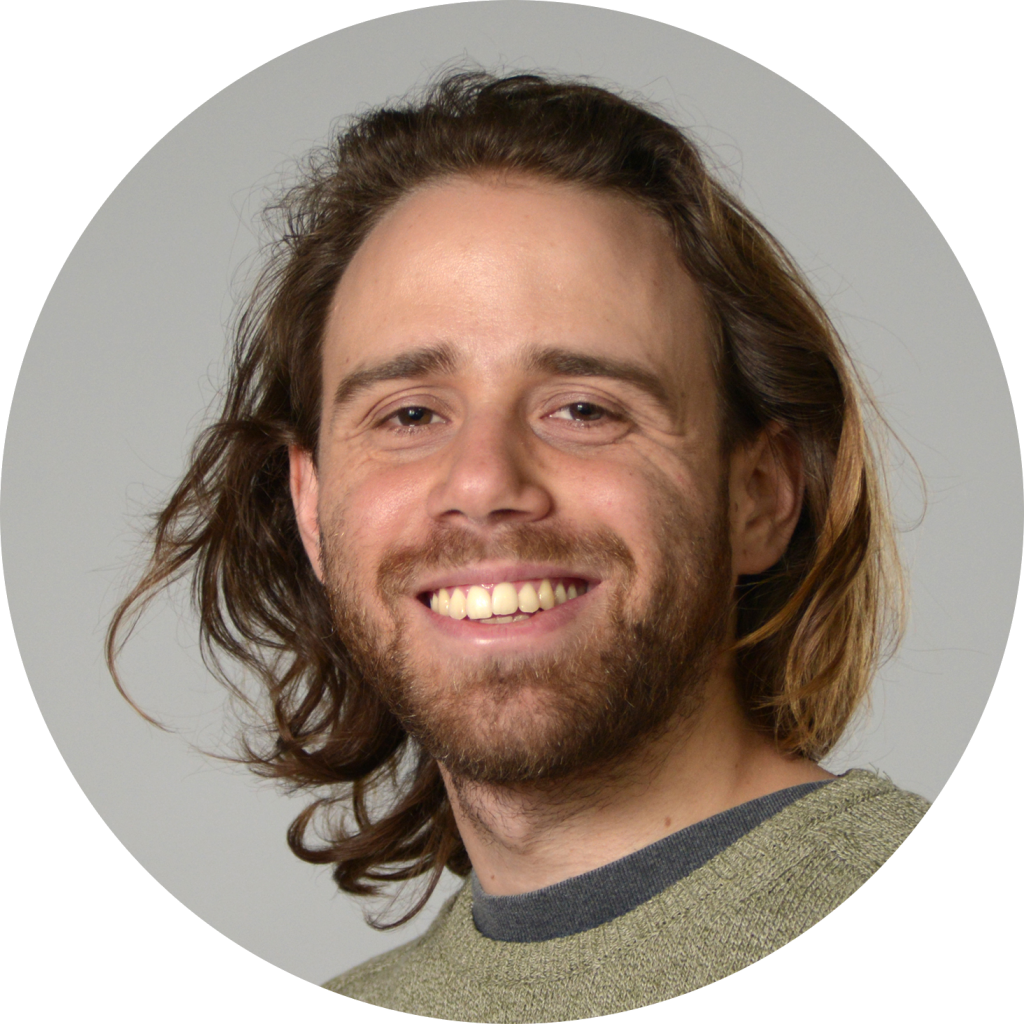
Dr. Martin (March) Miguel is a computer scientist (B.Sc. and M.Sc.) from the University of Buenos Aires, Argentina. He started researching rhythm cognition interested in how the timing of events can produce affective responses in a listener. To that aim, he developed models and formalisms for the analysis of beat expectation and ambiguity, with focus on producing observations of relevance for experimental research. He joined METRE lab as a Postdoc in the Department of Psychology, Neuroscience & Behaviour at McMaster University to continue working on questions regarding rhythm perception. Outside (and nearby) research, his interests include biking, music, social dance, tap dance, rock climbing, politics, economics, video games and board games.
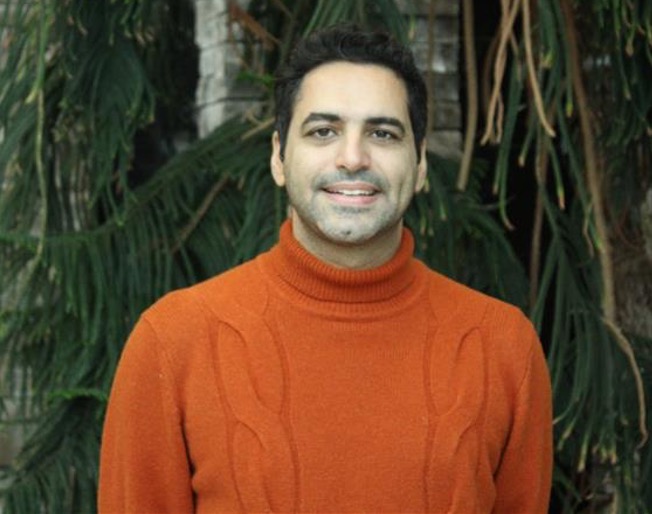
AmirAli is a researcher passionate about teaching and sharing knowledge. Born in Iran, he earned his B.Sc. from the University of Tehran and completed his graduate studies in the United States, followed by postdoctoral work in several world-renowned laboratories. Trained as a physicist, he is a computational neuroscientist with over 10 years of postdoctoral experience. His expertise includes neuromodulation, deep brain stimulation (DBS), Parkinson’s disease, sound stimulation, LFP and EEG analysis, complex dynamical systems, and music perception. Please see [his CV] for more detail. At the METRE Lab, he is investigating the role of dopamine in rhythm perception and production by developing spiking neural network models of basal ganglia validated with intracranial LFP and dopaminergic data. [Research Gate] [LinkedIn] [CV] [Personal Website]
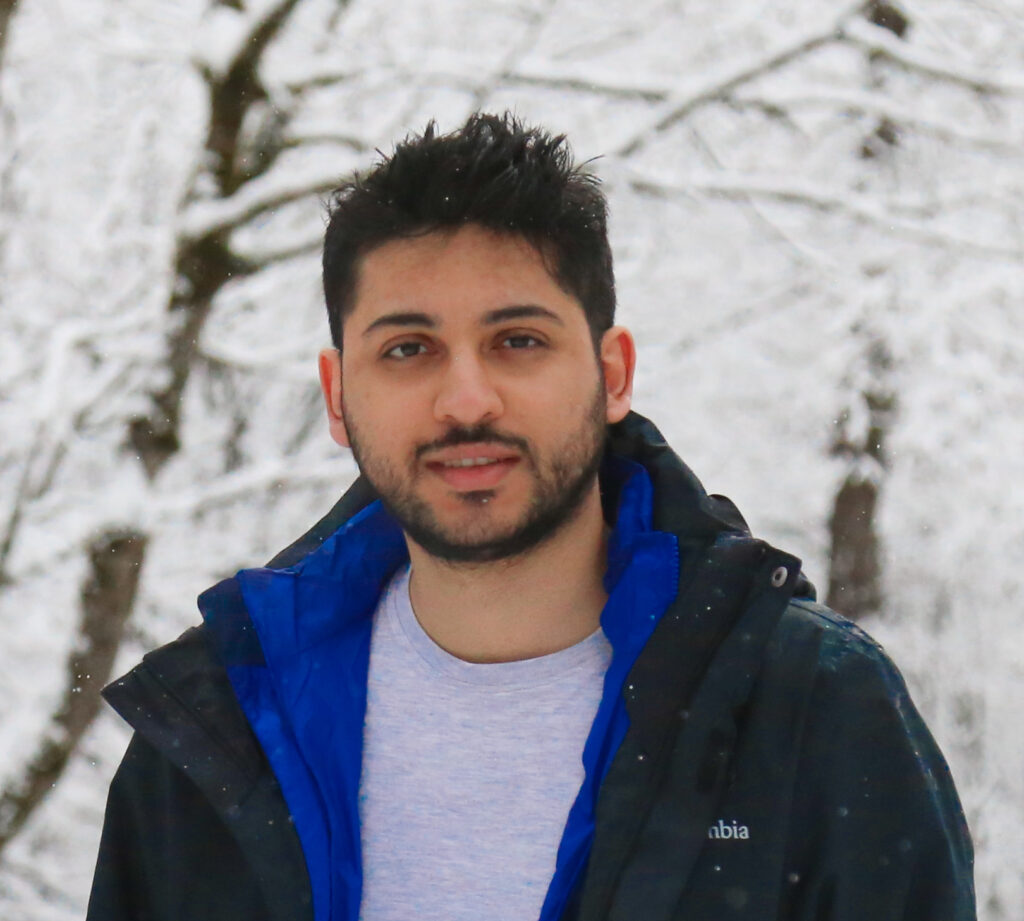
Matin Yousefabadi earned his B.Sc. in Civil Engineering at the University of Tehran in in 2019, and his M.Sc. in AI and Computational Neuroscience in the Computer Engineering Program at Sharif University of Technology, Tehran, Iran in 2022. He is studying at McMaster University as Ph.D. student in the Department of Psychology, Neuroscience & Behaviour at McMaster University, focusing on Rhythm perception. His hobbies include adventures and photography, and he spend his free time traveling, cooking, reading books, and listening to music.
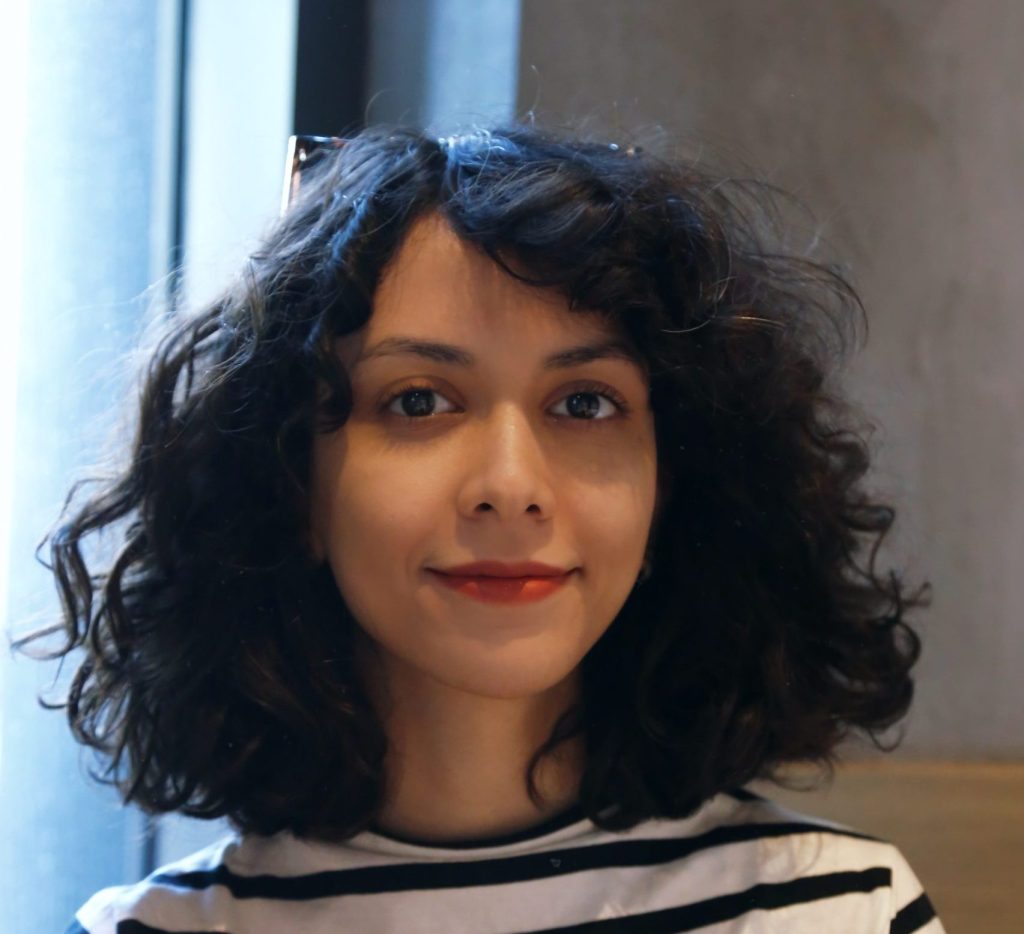
Yassaman Ommi earned her bachelor’s degree at Amirkabir University of Technology, writing her thesis on application of deep learning in generation of drug molecules. She earned her Master’s degree in Computational Science and Engineering in the METRE lab, and is now staying on as a Research Assistant.
Sahir Dhalla earned his H.BSc in neuroscience and philosophy at the University of Toronto. He is studying at McMaster University as a PhD student in the Neuroscience program. His interest in the neural basis of perception, action, and subjective experience led him to focus on studying the role of the cerebellum in active inference and predictive processing in the brain. Outside of the lab, Sahir’s hobbies include close up magic, reading, camping, and photography.

Davey Gregg is a master’s student in the METRE lab. He began my career in science interested in neurochemistry, receiving his BSc in molecular biology with minors in chemistry and psychology from the University of New Mexico. During his undergraduate work, his interests shifted more towards computational neuroscience. After graduation, Davey became a staff researcher at UNM and completed two projects: one a translational study in behavioural neuroscience and the other a pre-clinical study to predict epileptic seizures using AI and deploy prophylactic deep-brain stimulation to interfere with seizure progression. His main hobby is writing and producing electronic dance music, which heavily ties into his current work studying the role of dopamine in rhythm perception using AI models.
Abigail Hanna graduated from the Integrated Science program in 2025, concentrated in Psychology, Neuroscience, and Behaviour. She now works for the METRE lab as a research assistant. Her research interests include music cognition, the use of music as a therapeutic, and biostatistics. Outside of school, she works as a piano accompanist and has a strong connection to the local theatre community, both on stage and backstage. She enjoys sports, the outdoors, and challenging herself on new instruments.

Rasam Zakeri is an undergraduate student in the Hons. Neuroscience program at McMaster University. His interest in sound perception and Auditory cognition led him to complete a brief study project in the MAPLE Lab at McMaster University. He is now a member of the TRIMBA lab, aiming to further study rhythm perception under the supervision of Dr. Cannon. His interests outside of academia include playing a range of percussive instruments, listening to music, playing basketball, hiking, and canoeing.
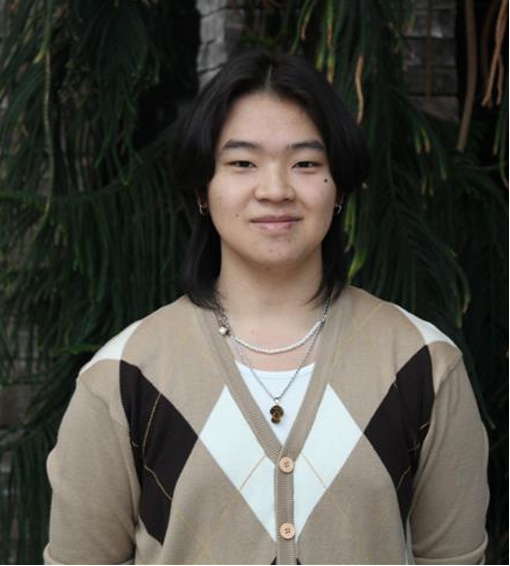
Jeremy Lin is a fourth-year thesis student in the Psychology, Neuroscience & Behavior program. His current research project investigates how individuals process culturally unfamiliar music, specifically odd-meter music (such as time signatures like 5/4 or 7/8), examining how listeners learn and adapt to these new rhythms. Outside of school, Jeremy enjoys playing music (guitar and bass guitar), cooking, baking, exploring new coffee spots, and thrifting.
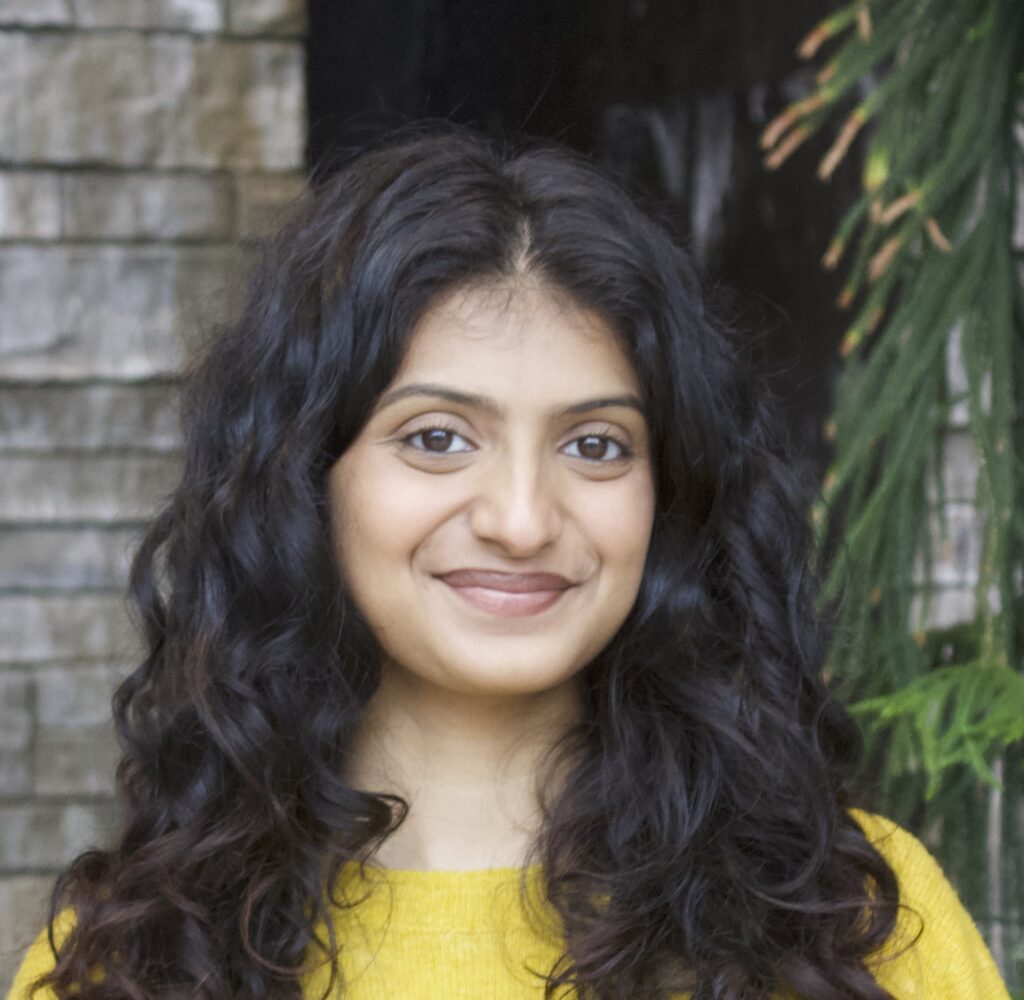
Alyssia Naran is a third-year student in the Integrated Science program. She is passionate about leveraging technological innovations and artificial intelligence to improve patient outcomes. Her current research interests span neuroscience, clinical artificial intelligence, and public health. Specifically, she is looking at creating a platform for employing personalized rhythmic auditory stimulation to treat Parkinson’s Disease. In her free time she enjoys reading, lifting, running, spending time in nature, and attending concerts.
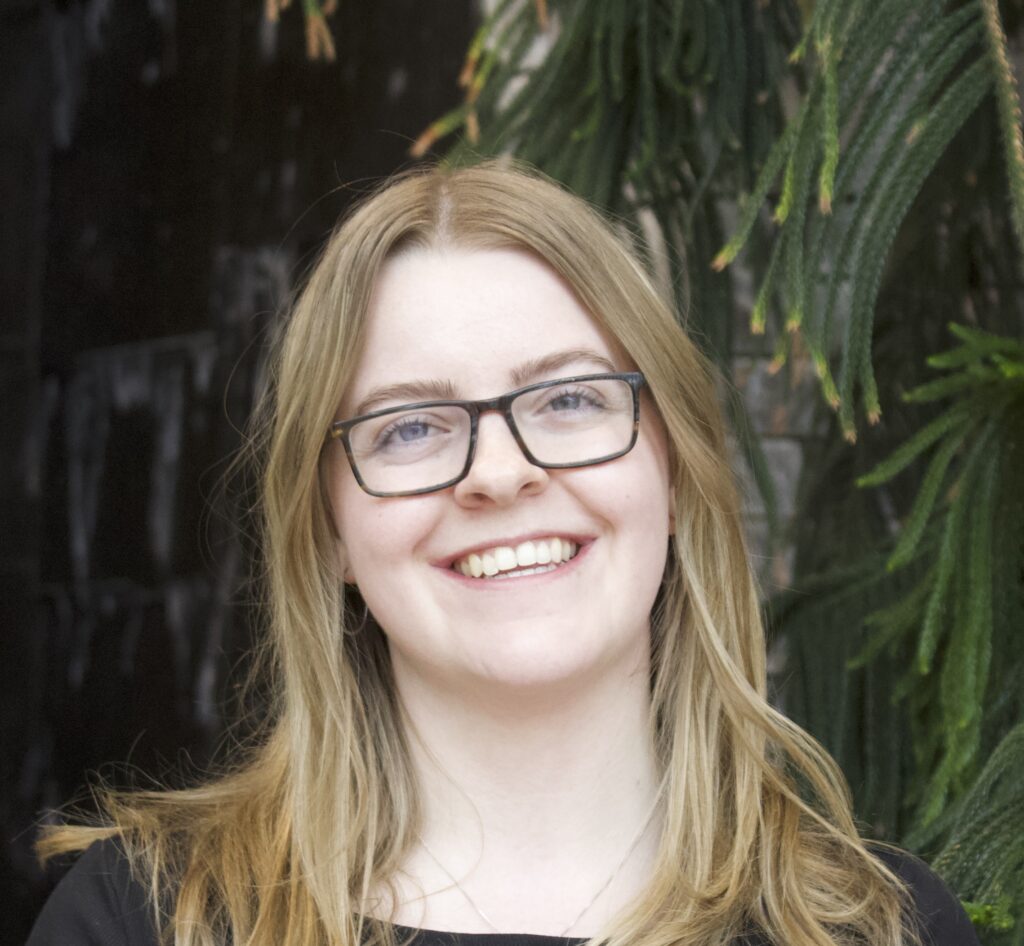
Jody Beach is a third-year Psychology, Neuroscience & Behaviour student in the science stream. Her current research project focuses on how auditory feedback and cognitive load impact a person’s ability to synchronize with a rhythm. She has completed two research projects in the lab and is staying on to do a thesis next year, where she plans to investigate how dopamine impacts people’s sense of rhythm. Outside of school, Jody enjoys hiking, skiing, canoeing, and baking. A fun fact about her is that she is a twin!
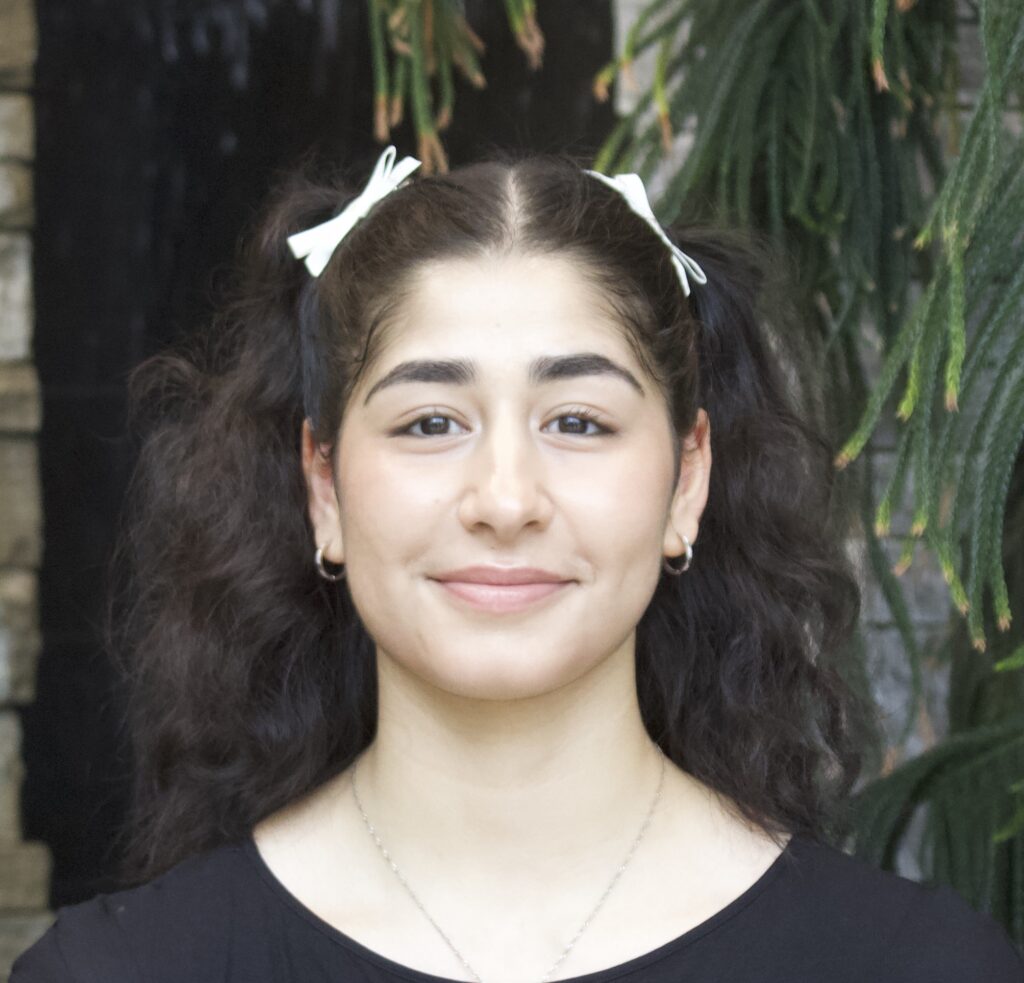
Ayla Eftekharian is a third-year project student in the Neuroscience program. Her interest in computational models has led her to explore a project in Dr. Cannon’s Lab on sensorimotor feedback in motor timing in collaboration with Dr. Michael Carter’s Action, Cognition, and Metascience Lab. Outside of school, she enjoys going to the gym, refereeing intramural volleyball, exploring cafes, and cooking. Ayla is eager to expand her research experience and develop new skills in computational neuroscience!
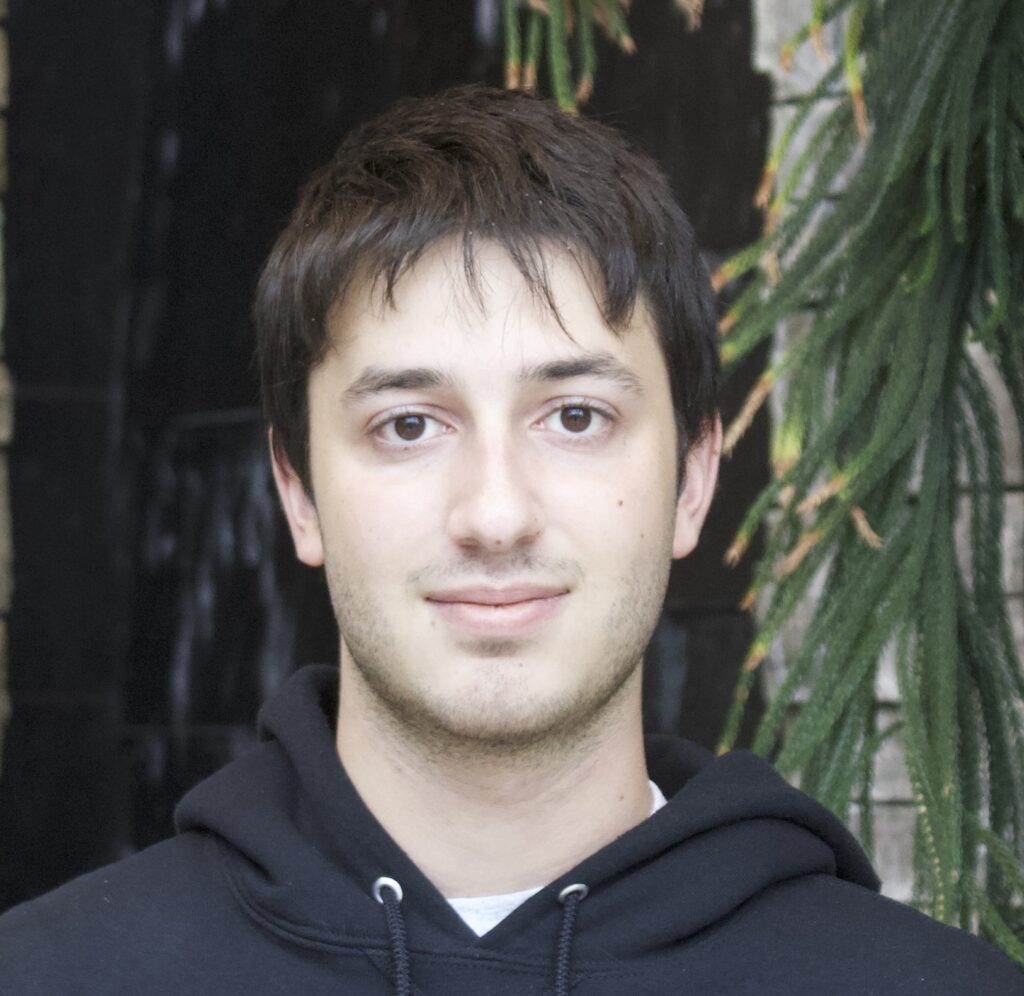
Jonathan Avisar is a second-year Life Science student passionate about neuroscience, technology, and healthcare innovation. He is developing an AI-driven platform to enhance music-based interventions for gait rehabilitation in individuals with neurodegenerative conditions like Parkinson’s. His work focuses on designing personalized rhythmic auditory stimulation to support motor recovery. In his free time, he enjoys playing guitar, exploring new technologies, and spending time in nature.

Tia Dhamrait is an incoming fourth-year student in the Neuroscience program. She is working on a thesis in the METRE lab exploring models of the cerebellum’s role in eye-blink conditioning that may help shed light on its function in rhythm perception. Tia is fascinated by how neural circuits drive behavior and enjoys tackling complex problems through coding and analysis. Outside of her academic pursuits, she spends her time exploring art, creative writing, and fitness. Always up for a challenge, she’s keen on refining her skills, taking on new perspectives, and growing her knowledge and research experience in computational neuroscience.
William Kozlowski is a 3rd year undergraduate neuroscience student at McMaster University. He is interested in computational neuroscience and neural circuits. Right now, he is working on a computational model of sensory and motor neurons learning connections between each other. William’s interests are video editing, coding, and baking.
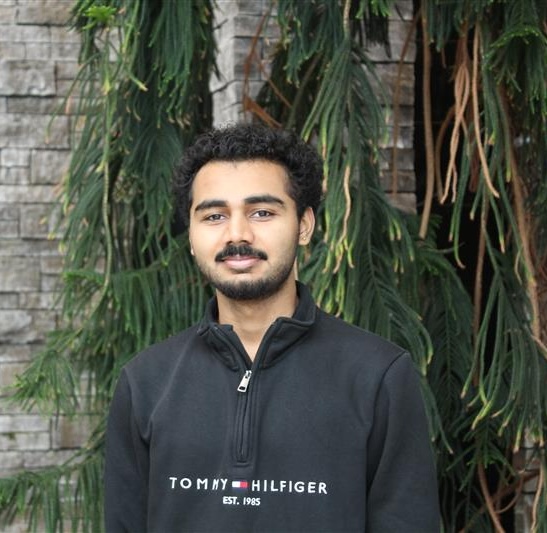
Manan Shah (he/him) is a third-year Honours Biochemistry student currently conducting research in the METRE Lab. His work with Dr. Cannon, Thuvarakah Sathananthan, and Dutt Gajjar investigates the interference of instrumental music with verbal processing in instrumentalists. In his spare time, Manan enjoys playing basketball and the drums, and he has completed up to Grade 6 drumming.
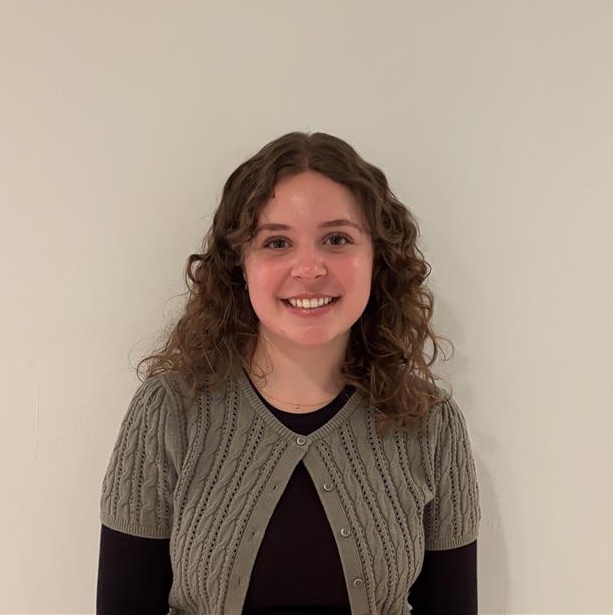
Isabella De Paoli is a fourth year student of psychology, neuroscience, and behaviour in the science stream. Her research is focused on beat perception, specifically exploring how people perceive certain rhythms and how well people can match their internal rhythm perception to what they are hearing. Outside of the lab, she enjoys skiing and listening to music!
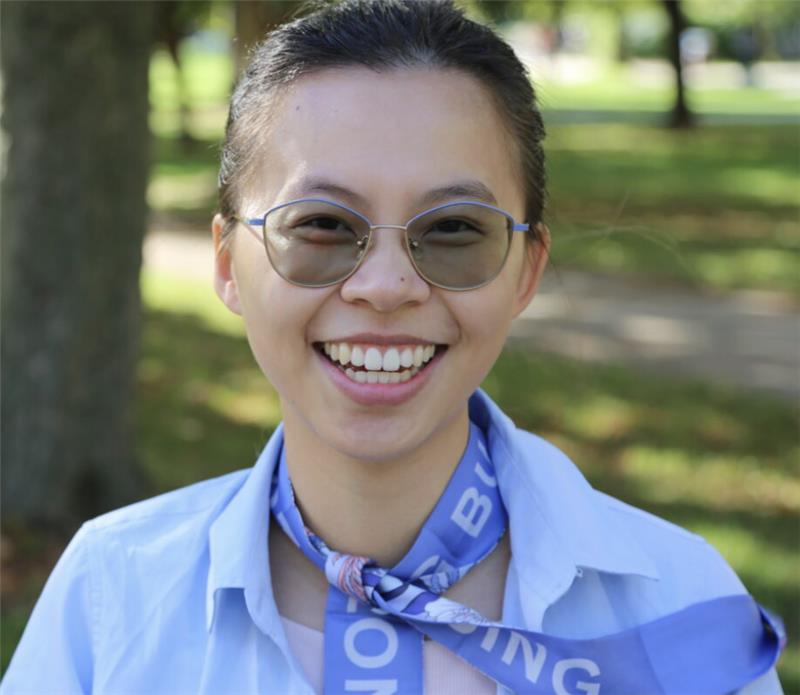
Lisa Jin is a B. Sc. Psychology, Neuroscience & Behaviour – Music Cognition II student, led to the METRE Lab thanks to an interest in rhythm, melody, and their relationship to cognitive disorders. Aside from academics, she enjoys writing, playing music, and travelling.
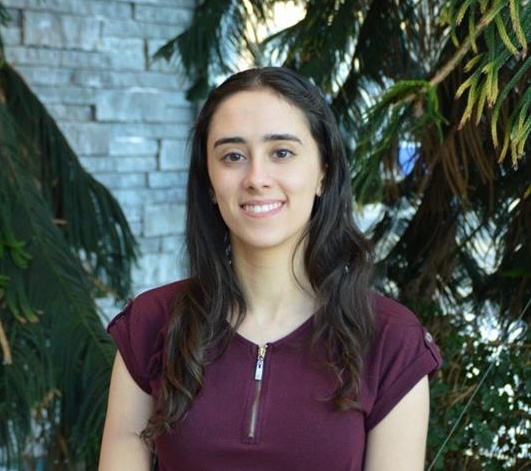
Ria Chhabra is a second year student in the integrated science program, concentrating in PNB. She is passionate about the intersection of music therapy, neuroscience and geriatric care. Her current research focuses on sensorimotor synchronization and auditory perception in individuals with autism. Outside of the lab, she enjoys playing the piano and leading sing-alongs at long-term care homes!
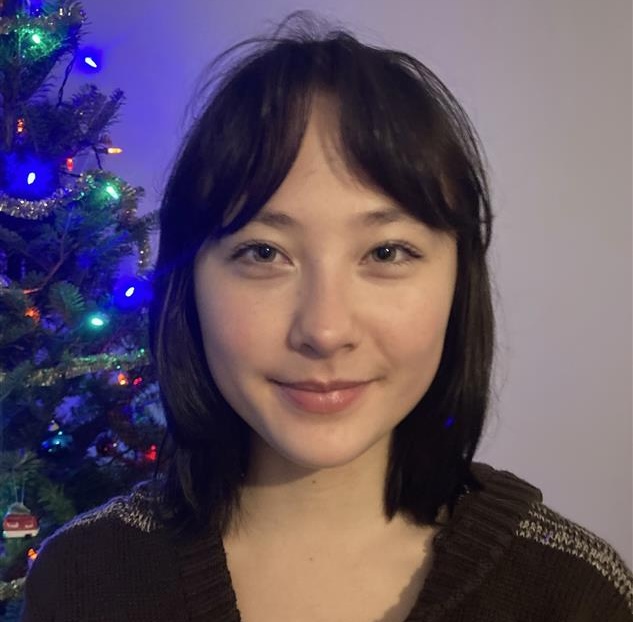
Maria Yamauchi is in her second year of psychology, neuroscience and behaviour specializing in mental health. She is interested in how people perceive rhythm, keep a steady beat, and adjust their timing. She is passionate about neuroscience and care deeply about mental well-being, and looks forward to learning more about these topics through her studies. In her own time, Maria enjoy knitting and playing and creating music with others.
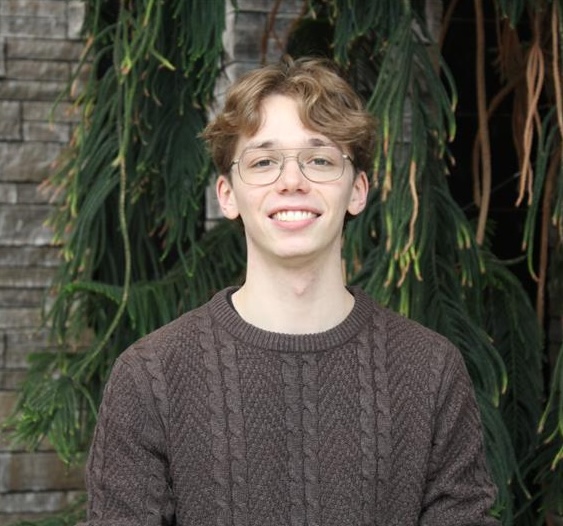
Diego Prieto is a third-year student in the Integrated Science program. He is interested in computational neuroscience as a means to investigate subcortical circuitry. His current project aims to model musical metrical representation in the basal ganglia. Outside of the lab, Diego enjoys reading, music, rock climbing, and travelling. He has played music for most of his life, largely guiding his initial interest in the METRE lab.
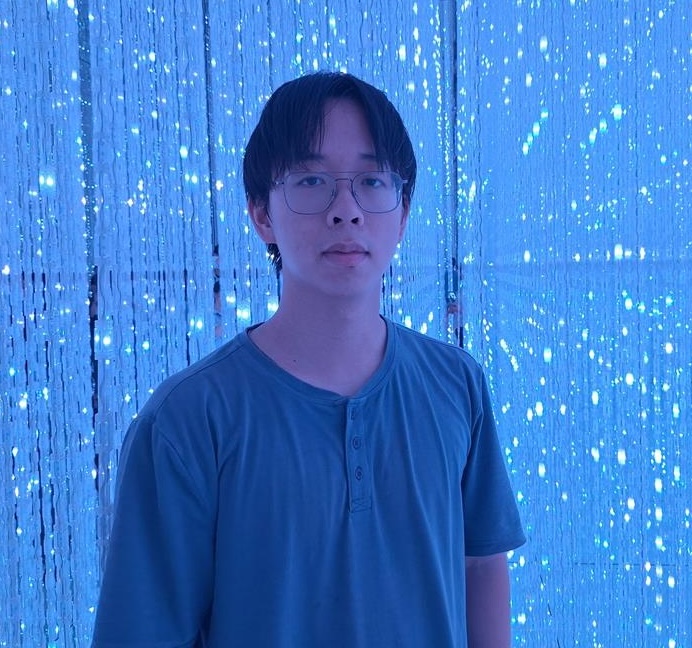
Daniel Weng is a third-year student in the Psychology, Neuroscience and Behaviour program. He’s interested in involuntary processes behind timing and rhythm and their relation to clinical psychology. His current research interest include clinical psychology, electrophysiology, psychiatry and assessing mental health interventions. In his spare time, he enjoys reading, going to the gym, writing, playing video games and trying new foods.
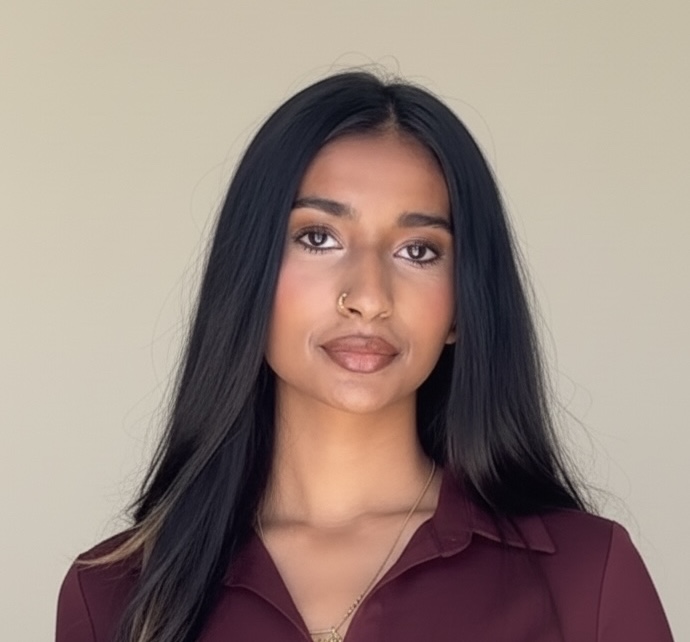
Thuvarakah Sathananthan is a third-year Biochemistry student. She is currently involved in research at the METRE Lab, investigating how listening to music on an instrument an individual is trained in influences language processing. Outside of academics, Thuvarakah enjoys singing and has completed three years of Carnatic vocal training and is currently in her fourth year of Western classical vocal training.
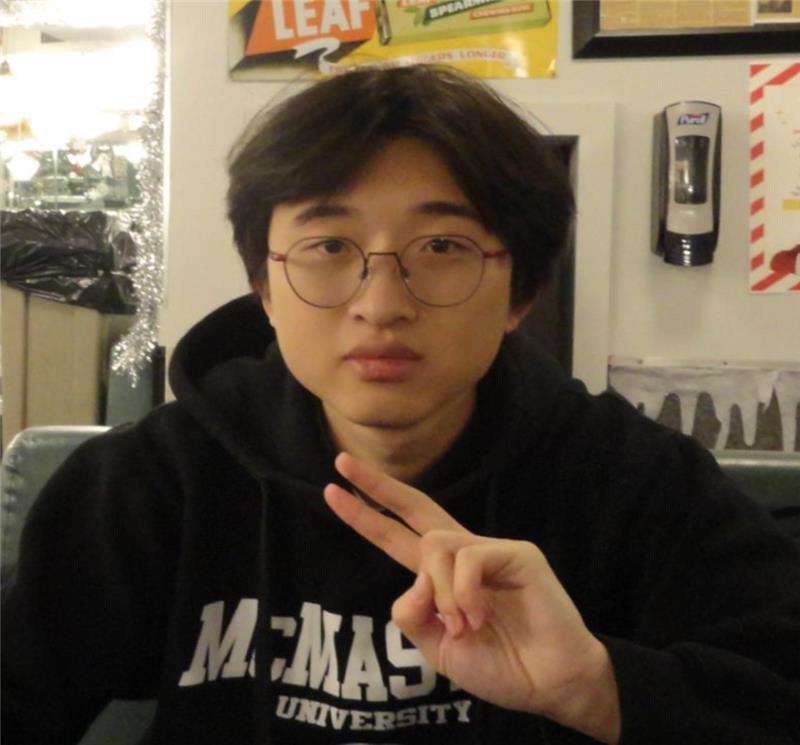
Yifan Han is a second year undergraduate student in the Honours Health Sciences program. He is interested in research focused on human movement and motor control, including how sensory information influences coordination and eventually, behavior and emotions. He is currently working on a project that looks into how auditory feedback influences step timing during walking, with a focus on whether shifting the timing of sound relative to heel strike alters gait temporal features. Outside of the lab, he enjoys photography, cooking and spending time in nature.
Alumni

Amy Lau
Fasika Ghetnet
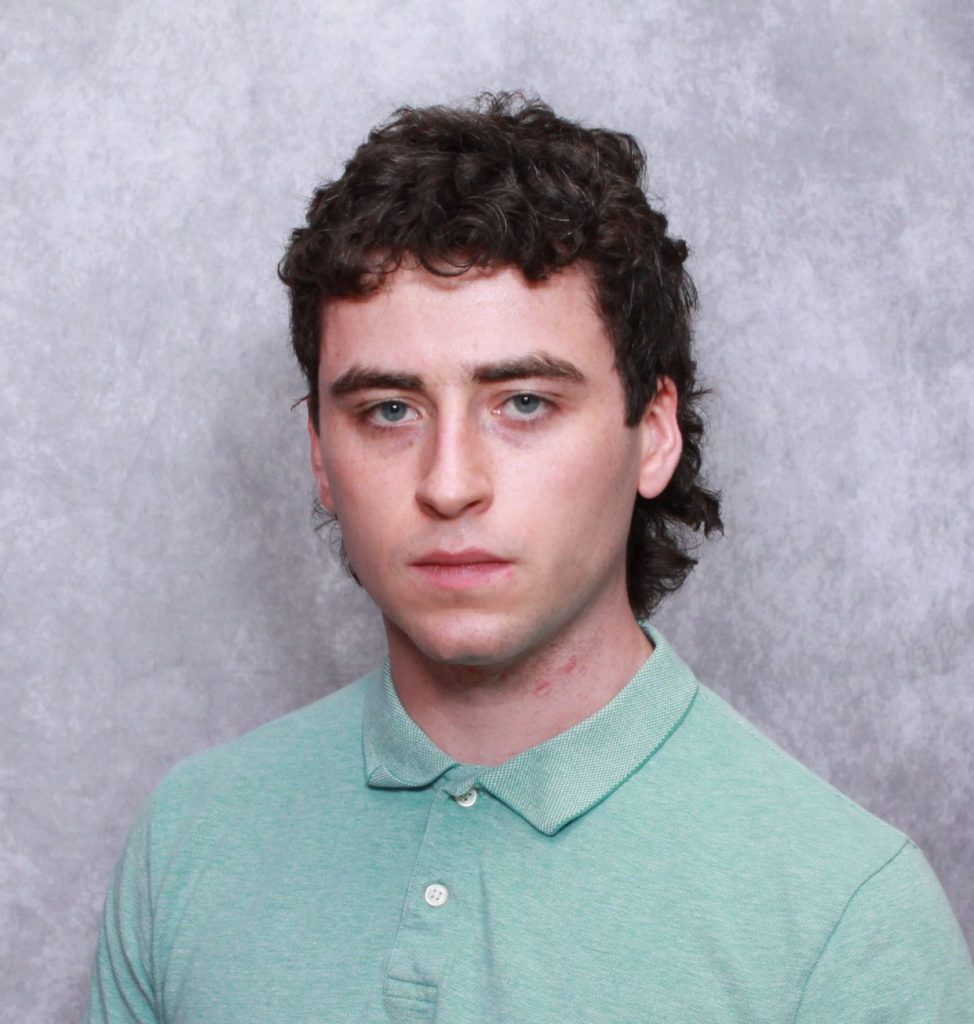
Jacob Duda
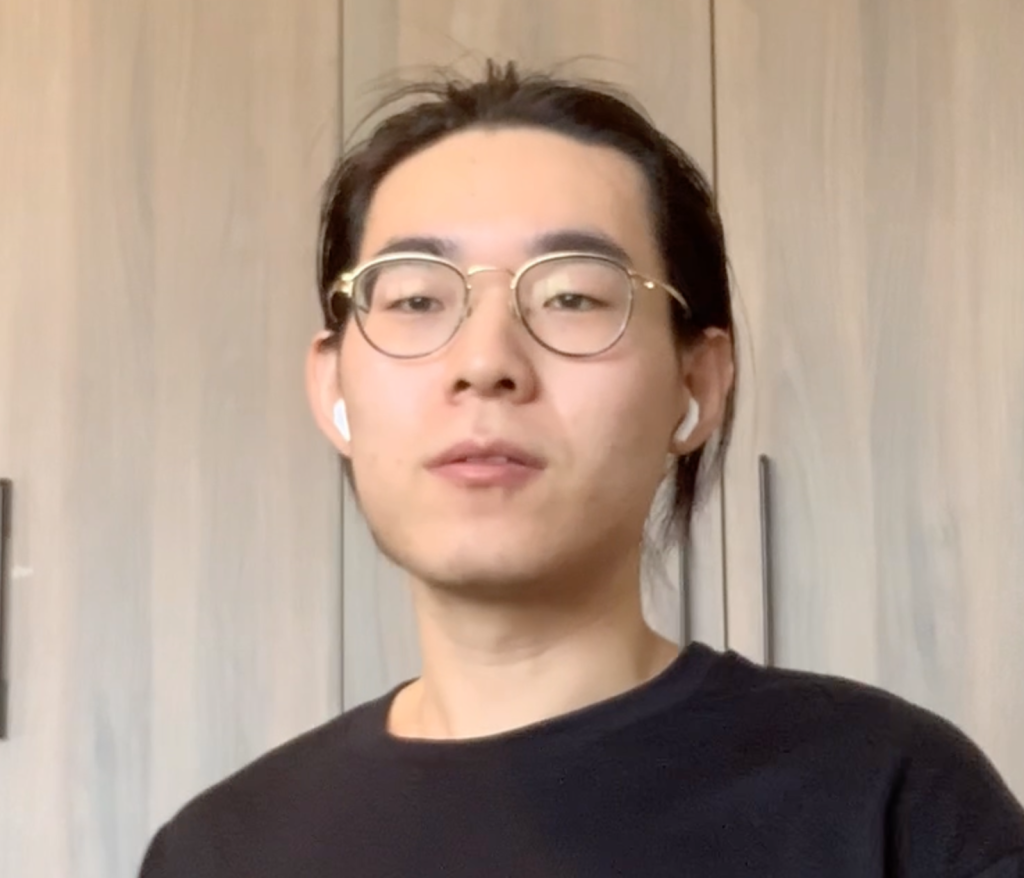
Hongu Xiao
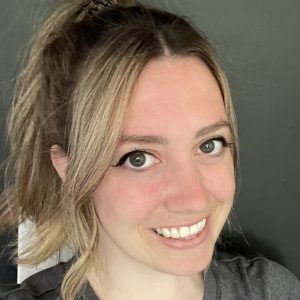
Jessica Jalbert
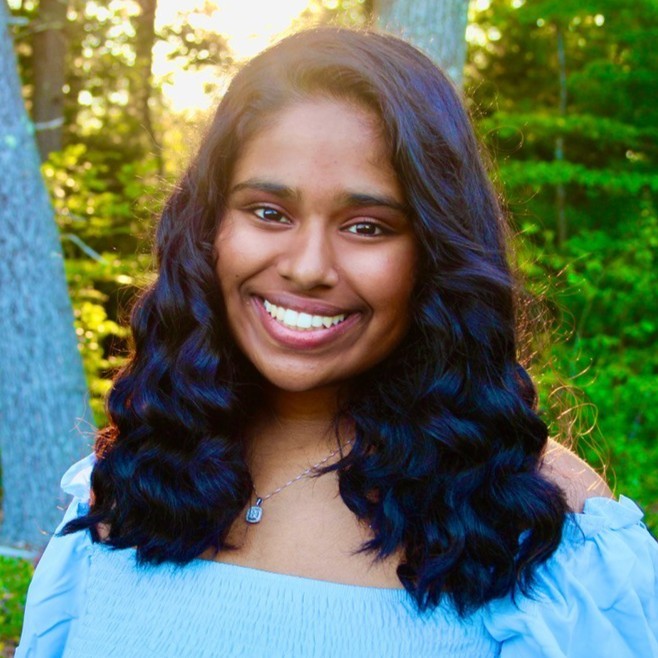
Davina Premraj
Dr. Jonathan Cannon’s actual brain